
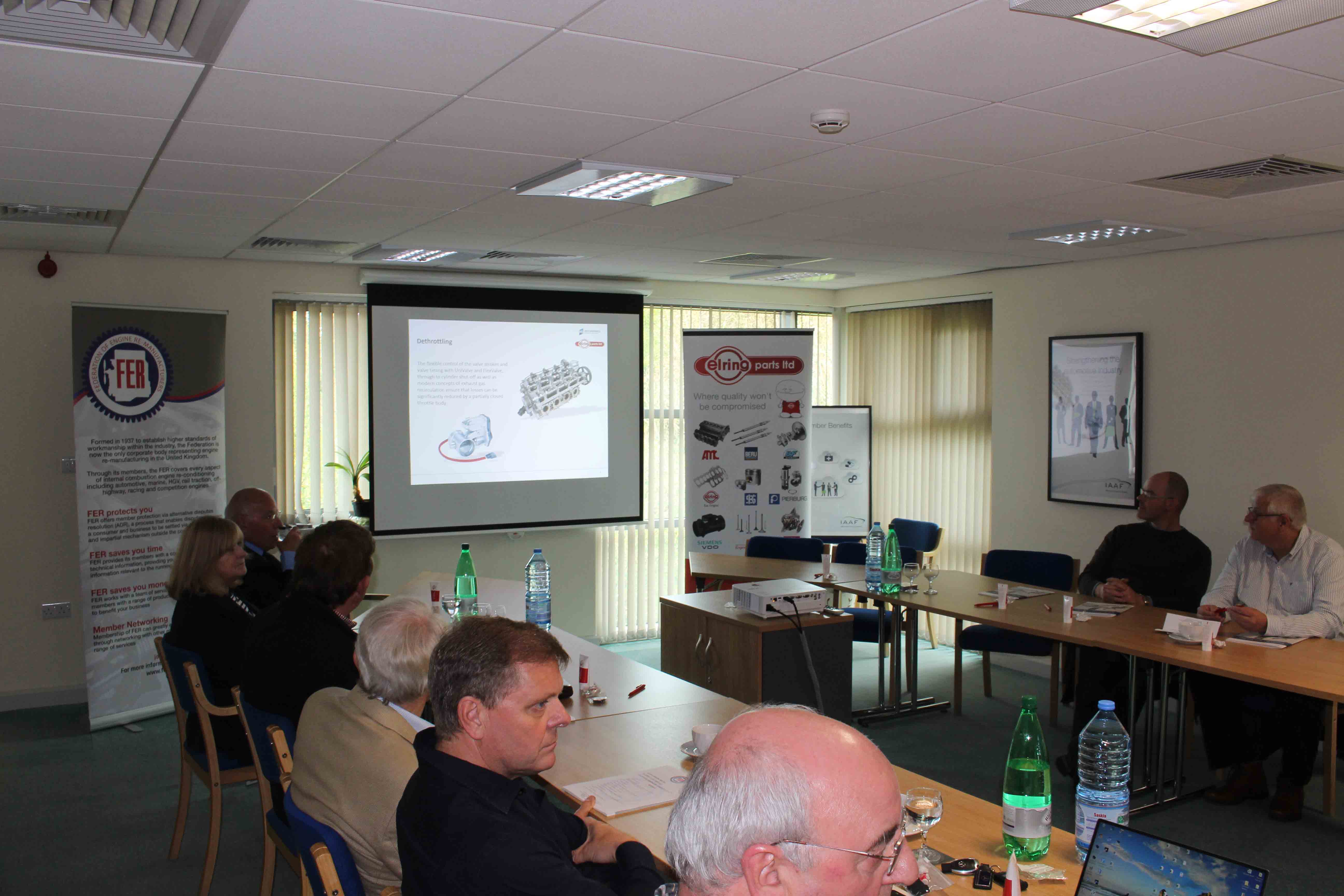
FER AGM fuelled by diesel ban talk
19th February 2018
FER aims to root out fraudsters
19th February 2018
With news that the Government plans to ban sole petrol and diesel engine cars from 2040, the Federation will be keeping a close eye on how its members are gearing up for the future. We do need to strive to ensure a prosperous future for our members, particularly considering how legislation is re-shaping the nature of our industry.
The implications for engine reman post-diesel and the shift to electric vehicles and hybrids remain unclear and will continue to be so for a while yet. And when it does happen, how will it happen?
Diesel not the problem
More investigation must be carried out to explore the root of the emissions problem, particularly in London, rather than just attributing it to diesel vehicles. Without exception, today’s technology level ensures compliance with emission value limits, which weakens the argument for diesel engines being the catalyst for climate concern. What’s more, manufacturing processes are making vehicles cleaner so new, cleaner diesel engines are completely viable. Rebuilding an engine also has its green credentials.
Let’s put the spotlight back on electric vehicles and hybrids for a moment. The more complex the vehicle, the more potential for problems. That said, engines are downsizing but there is a lack of information about the new technologies. And just how exactly will 35 million vehicles suddenly connect to the grid? The Government needs to give further consideration to the huge infrastructure investment that will be required to install charging stations nationwide.
Gathering speed
Another big challenge for the proposed change will be commercial vehicles. There are over 90 per cent of CVs that are diesel and currently there are only limited alternatives available. However, conversely, this presents an opportunity, as remanufactured engines can help make commercial vehicles run more efficiently.
Similarly with rail, as plans to electrify railways from diesel have now been scrapped, and instead trains are to be fitted with diesel engines to run on non-electrified lines, so the future for diesel gains momentum.
Industry vow
Make no bones about it, we are getting our house in order to oppose these plans and at the very least unravel them. This is no black and white scenario: there are far too many grey areas and there is a worrying degree of uncertainty. For instance, if a vehicle manufacturer loses 3,000 jobs, it’s headline news, but if 100 FER members lose three members of staff each, it won’t raise an eyebrow in the media.
We have an industry to protect and we’re going to make sure its voice – and its people’s voice – is heard.